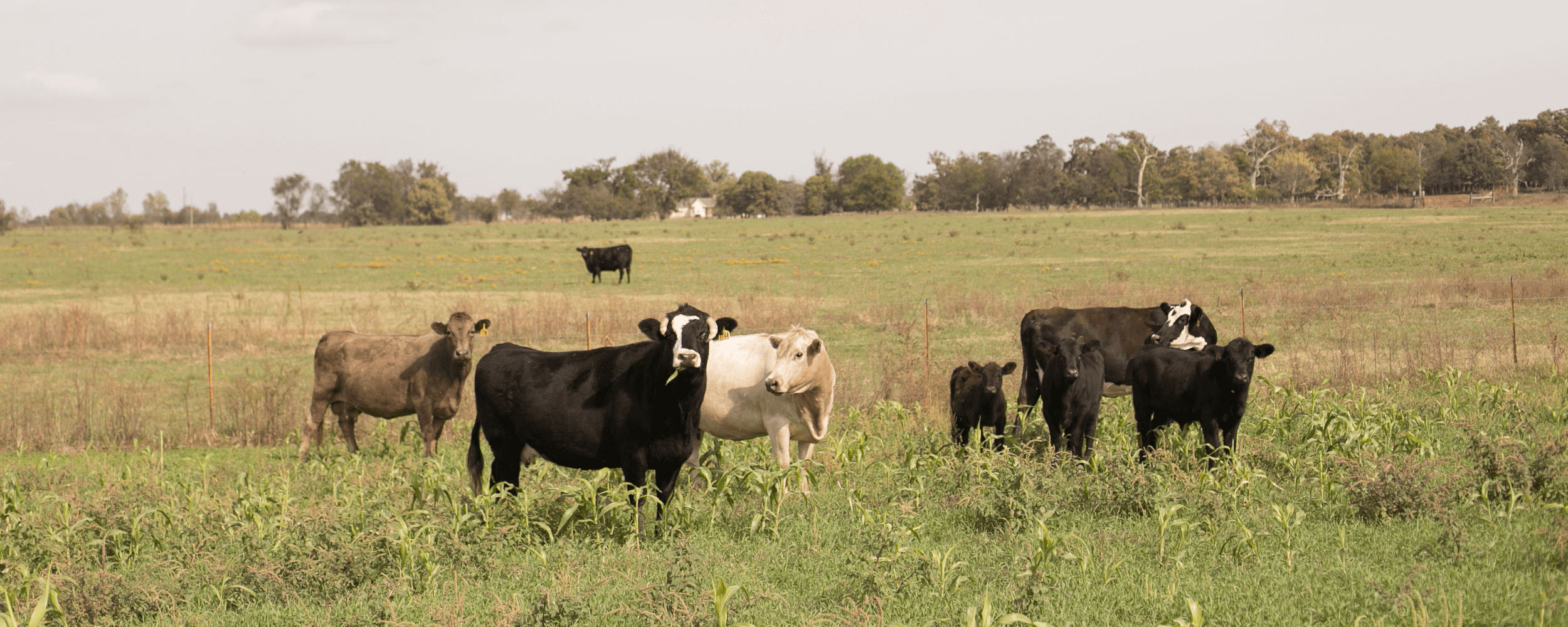
Interested in Veterinary School? Our graduating class of 2020 had an 83 percent vet school acceptance rate!
Vet School Information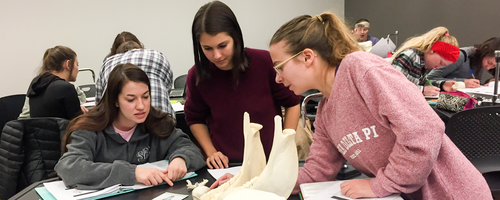
Undergraduate Major
The Department of Animal Science offers three undergraduate degree concentrations and two minors that can be individually tailored to meet a student's specific interests.
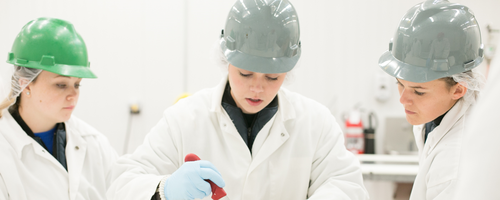
Graduate Degrees
The Department of Animal Science offers graduate programs in various disciplines and animal species. Assistantships are available for graduate students looking for aid in funding their degrees.

Find an Expert
Our department is staffed with award-winning faculty members who not only serve students on campus, but also conduct research that benefits numerous industries and communities.
DEPT Highlights
Boots, Brews, and BBQ
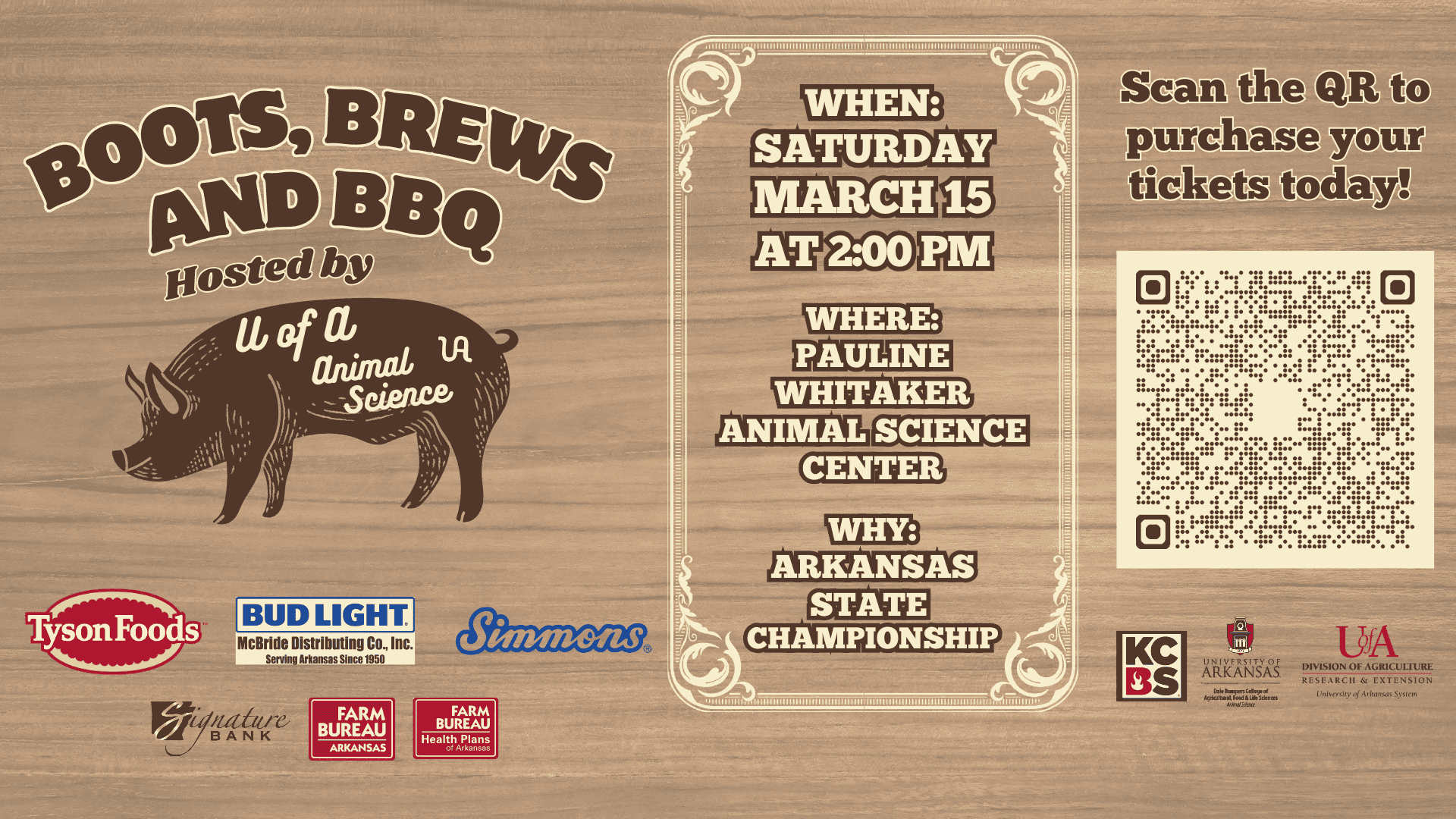
The University of Arkansas's Animal Science Department will host the Kansas City Barbecue Society-sanctioned Arkansas State BBQ Championship at "Boots, Brews, and BBQ" on Saturday, March 15th, at the Pauline Whitaker Animal Science Center. Public admission is from 2-5 p.m. Tickets include 10 one-ounce BBQ samples from approximately 25 competing teams, chips, 4 beverages (21+ bar option), live music (Meadowlark, Arlan and the Professor), and the opportunity to vote on the Tyson Foods People's Choice Award for pulled pork. All proceeds benefit the Department of Animal Science's scholarship fund and student competition teams.
Sponsorship opportunities are available (contact Dan Miller danmill@uark.edu for details).
New Faculty Spotlight

Amanda Baxter has joined Animal Science as an Equine Instructor. She is responsible for teaching undergraduate courses, coordinating student competitive activities, and co-managing the resident horse herd and the Dorothy E. King Equine Pavilion.
Amanda holds BS and MS degrees from Texas A&M University, where she also served as the Assistant Coach of the Ranch Horse Team. She has extensive experience in 4-H horse judging contests and clinics, and completed an internship in Arkansas as a Wrangler at Camp War Eagle
News & Events
Learn More About Animal Science!